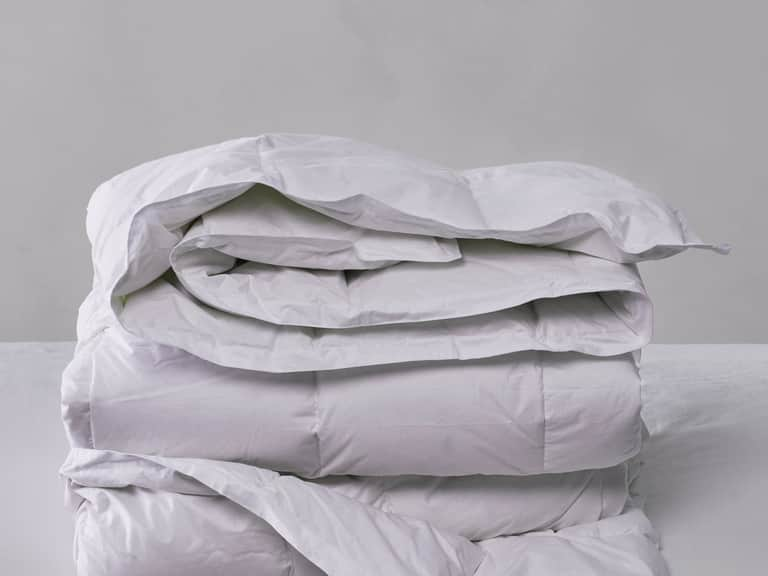
Down alternative and natural fill describe two broad approaches to insulating bedding. Natural fills may include materials such as down or plant-based fibers, while down alternatives use synthetic fibers designed to provide softness and warmth without animal-derived down. Understanding fill type helps compare comforters and duvet inserts by feel, care needs, and insulation.
Duvet Filling Warm is intended for colder sleeping conditions or people who prefer a higher level of insulation. Warmth depends on the fill material, its loft, and how evenly it is distributed through the duvet. Construction details, including stitching or compartments, can also affect heat retention and help limit fill movement.
Natural fill can feel light and lofty, with warmth influenced by the type and amount of material used. Down alternative filling is commonly made from polyester fibers and may suit households seeking a non-down option. The two types can differ in breathability, weight, maintenance, and response to moisture, so care instructions are important.
When assessing warm duvet filling, consider bedroom temperature, personal heat preferences, and whether the duvet will be used year-round or seasonally. A well-matched fill can support comfortable sleep without relying on extra layers. Check the product’s stated materials and washing guidance, particularly when coordinating bedding with pillows, sheets, or organic mattresses.
Fill choice is one part of a bedding setup; cover fabric, duvet size, and laundering habits also influence everyday comfort. Natural and alternative fills may require different cleaning methods, drying times, or protective covers. Reviewing these practical characteristics helps clarify which comforters and duvet inserts are suitable for a particular household and sleeping environment.
 Bedding